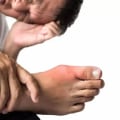
Gout is a form of inflammatory arthritis characterized by sudden and severe pain, redness, and swelling in the joints, often affecting the big toe. This condition arises from an excess of uric acid in the bloodstream, leading to the formation of sharp crystals in the joints. The intense pain associated with a gout attack can be debilitating, making even simple movements challenging. Understanding how gout affects your body is crucial for managing symptoms and maintaining an active lifestyle. During a gout attack, physical activity can become nearly impossible due to the acute pain and inflammation.
Many individuals find themselves questioning how long they should refrain from exercise and when it is safe to resume their fitness routines. The impact of gout on exercise is significant; not only does it limit mobility during flare-ups, but it can also create a psychological barrier to returning to physical activity once the pain subsides. It’s essential to recognize that while gout can disrupt your exercise regimen, understanding its nature and symptoms can empower you to make informed decisions about your health. By learning about the triggers and management strategies for gout, you can better navigate your path back to physical activity after an attack. This section will delve deeper into the relationship between gout and exercise, providing insights that will help you regain your strength and mobility safely.
What Happens During a Gout Attack?
A gout attack is characterized by sudden and intense pain, swelling, and inflammation in the affected joint, often the big toe.This condition arises when there is an accumulation of uric acid crystals in the joints, leading to a cascade of physiological changes that can significantly impact your ability to exercise.During a gout attack, the body undergoes several key changes:
- Inflammation: The immune system responds to the presence of uric acid crystals by sending white blood cells to the affected area. This response causes inflammation, resulting in redness, warmth, and swelling around the joint.
- Pain: The inflammation triggers pain receptors in the joint, leading to severe discomfort that can make even light movement unbearable.
- Joint Stiffness: As inflammation progresses, the affected joint may become stiff and less mobile, further complicating any attempts at physical activity.
However, it’s vital to listen to your body and consult with a healthcare professional before resuming your regular exercise routine.In summary, recognizing the symptoms and understanding what happens during a gout attack can help you make informed decisions about when to safely return to exercise. Prioritizing recovery will not only aid in managing gout but also enhance your overall well-being.
When Is It Safe to Resume Exercise After a Gout Attack?
After experiencing a gout attack, it is crucial to approach the resumption of exercise with caution. The timing for when it is safe to start exercising again can vary significantly from person to person, depending on the severity of the attack and individual recovery rates.Listen to Your Body
: One of the most important guidelines is to listen to your body. If you still feel pain or discomfort in the affected joint, it is advisable to wait until these symptoms subside completely.
Engaging in physical activity too soon can exacerbate inflammation and prolong recovery.
Consult Healthcare Professionals
: Before resuming any exercise regimen, it is wise to consult with a healthcare professional. They can provide personalized advice based on your medical history and the specifics of your gout condition. A doctor or physical therapist may recommend specific exercises that are safe and beneficial during your recovery.
General Timeline for Resuming Exercise
: While individual recovery times may vary, here are some general guidelines:
- 1-2 Days Post-Attack: It is generally recommended to avoid any strenuous activity during this period. Focus on rest and hydration.
- 3-5 Days Post-Attack: If pain has significantly decreased, gentle stretching and low-impact activities like walking may be introduced.
- 1 Week Post-Attack: If you are pain-free, you can gradually increase the intensity of your workouts.
However, avoid high-impact exercises that could stress the joints.
- 2 Weeks Post-Attack: Most individuals can return to their regular exercise routines, but it’s essential to monitor how your body responds.
Types of Safe Exercises
: When you do resume exercising, consider low-impact activities that minimize stress on your joints. These may include:
- Swimming
- Cycling
- Yoga
- Walking
Types of Exercises Recommended Post-Gout Attack
After experiencing a gout attack, it is crucial to choose exercises that are gentle on the joints while promoting overall health. Engaging in the right activities can help maintain mobility and prevent future flare-ups.Here are some recommended types of exercises:
- Walking: A simple yet effective low-impact exercise, walking helps improve circulation and maintain joint flexibility without putting excessive strain on the affected areas.
- Swimming: This is an excellent option for gout sufferers as the buoyancy of water reduces stress on the joints. Swimming can enhance cardiovascular fitness and strengthen muscles without causing discomfort.
- Cycling: Whether on a stationary bike or outdoors, cycling is a low-impact workout that can be adjusted to your comfort level. It helps build leg strength and endurance while being easy on the joints.
- Yoga: Incorporating gentle yoga stretches can improve flexibility and reduce stiffness in the joints. Focus on poses that promote relaxation and avoid those that require deep bending or twisting of the affected area.
- Strength Training: Light resistance training with bands or light weights can help maintain muscle mass and support joint health.
It’s important to start slowly and focus on exercises that do not aggravate your condition.
Signs You Should Avoid Exercise After a Gout Attack
After experiencing a gout attack, it is crucial to listen to your body and recognize the signs that indicate you should avoid exercise.Engaging in physical activity too soon can exacerbate your condition and lead to further complications.
- Severe Pain: If you are still experiencing significant pain in the affected joint, it is a clear sign that your body needs more time to heal. Exercising under these conditions can worsen the inflammation and prolong recovery.
- Swelling: Noticeable swelling around the joint is another indicator that you should refrain from exercise. Swelling often accompanies pain and indicates that the body is still in an inflammatory state.
- Redness and Warmth: If the skin over the affected joint appears red or feels warm to the touch, these symptoms suggest ongoing inflammation. It is advisable to avoid any physical activity until these symptoms subside.
- Stiffness: A feeling of stiffness in the joint can also signal that it is not yet ready for exercise.
Stiffness may limit your range of motion and increase the risk of injury.
- Fatigue: If you feel unusually fatigued or weak after a gout attack, this could indicate that your body is still recovering. Pushing yourself to exercise during this time may hinder your overall recovery process.
FAQs About Exercising After a Gout Attack
After experiencing a gout attack, many individuals have questions about when and how to safely resume exercise.Here are some frequently asked questions that can help clarify your concerns:
- How long should I wait to exercise after a gout attack? It is generally recommended to wait at least 24 to 48 hours after the acute pain subsides before resuming any form of exercise. This allows your body to recover and reduces the risk of aggravating the affected joint.
- What types of exercises are safe after a gout attack? Low-impact activities such as walking, swimming, or cycling are often recommended. These exercises can help maintain joint mobility without putting excessive strain on the affected area.
- Should I avoid all physical activity during a gout flare-up? Yes, during an active gout attack, it is best to avoid any strenuous activities that could worsen the pain or inflammation. Resting the affected joint is crucial for recovery.
- Can I do strength training after a gout attack? Once you feel ready to resume exercise, light strength training can be beneficial.
Focus on exercises that do not put pressure on the affected joint and gradually increase intensity as tolerated.
- What if I experience pain while exercising? If you feel any pain during exercise, it is important to stop immediately. Pain is a signal from your body that something may not be right, and pushing through it could lead to further complications.
Conclusion: Key Takeaways on Exercising After Gout Attacks
In conclusion, understanding when to resume exercise after a gout attack is crucial for both recovery and long-term joint health. Here are the key takeaways to consider:- Timing is Essential: It is generally advisable to wait until the acute symptoms of a gout attack have subsided before engaging in any form of exercise.
This typically means waiting at least a few days after the pain and swelling have diminished.
- Start Slow: Once you feel ready to exercise, begin with low-impact activities such as walking or swimming. These exercises can help maintain mobility without putting excessive strain on your joints.
- Listen to Your Body: Pay attention to how your body responds during and after exercise. If you experience any pain or discomfort, it may be a sign that you need to adjust your routine or take more time off.
- Focus on Flexibility and Strength: Incorporating stretching and strengthening exercises can be beneficial. These activities help improve joint stability and reduce the risk of future gout attacks.
- Consult a Professional: If you're unsure about when or how to start exercising post-gout attack, consider consulting a healthcare provider or physical therapist.
They can provide personalized recommendations based on your specific condition.