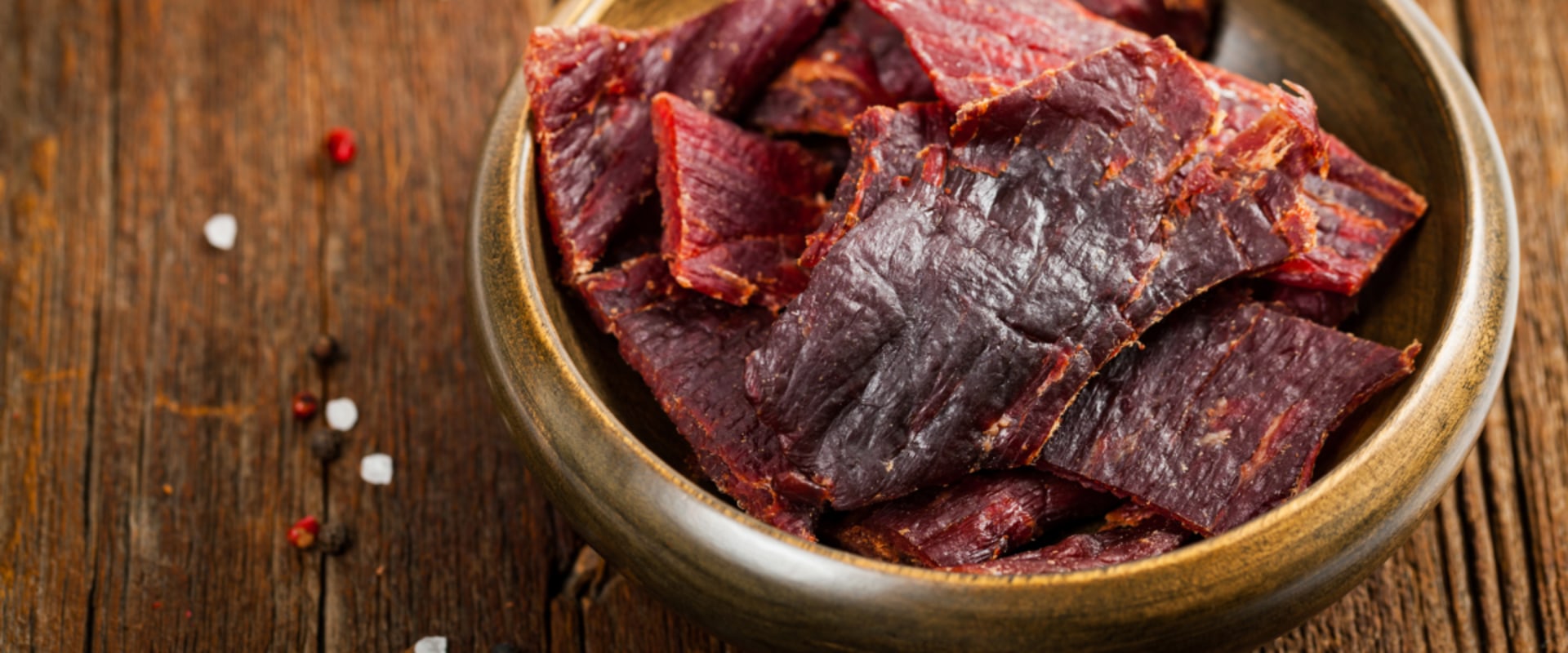
Gout is a form of inflammatory arthritis characterized by sudden and severe pain, redness, and swelling in the joints, often affecting the big toe. This condition arises when there is an excess of uric acid in the bloodstream, leading to the formation of sharp crystals in the joints. Understanding what causes gout is crucial for managing its symptoms and preventing flare-ups. The body produces uric acid when it breaks down purines, substances found in certain foods and drinks. The primary causes of gout include a diet high in purines, obesity, certain medications, and underlying health conditions such as kidney disease.
Foods rich in purines include red meats, organ meats, and some seafood, which can significantly elevate uric acid levels. Additionally, excessive alcohol consumption and sugary beverages can exacerbate the condition. Recognizing these triggers is essential for individuals who are prone to gout attacks. Symptoms of gout typically manifest suddenly and can be excruciating. Affected individuals may experience intense joint pain, swelling, and tenderness that can last for days or even weeks if left untreated.
The discomfort often leads to a decreased quality of life, making it imperative for those at risk to understand their dietary choices and lifestyle factors that contribute to this painful condition.
The Role of Purines in Gout
Purines are natural substances found in many foods and are also produced by the body. When purines break down, they form uric acid, which is normally excreted through urine. However, in individuals with gout, the body either produces too much uric acid or fails to eliminate it effectively, leading to elevated levels in the bloodstream. This condition can result in painful inflammation and swelling in the joints.Understanding the relationship between purines and gout is essential for managing this condition.Certain foods are particularly high in purines and can exacerbate gout symptoms. These include:
- Red meats (like beef and lamb)
- Organ meats (such as liver and kidneys)
- Seafood (especially shellfish and sardines)
- Some fish (like mackerel and herring)
- Alcoholic beverages, particularly beer
Therefore, it is crucial for those with gout to monitor their diet closely and identify any specific triggers.In summary, purines play a significant role in the development of gout. By understanding which foods are high in purines and how they affect uric acid levels, individuals can make informed dietary choices that may help manage their condition more effectively.
Nutritional Comparison: Chicken vs. Beef
When comparing chicken and beef in terms of their nutritional profiles, particularly regarding gout risk, it is essential to consider their purine content and other relevant nutrients.Purine Content
Purines are compounds found in many foods that can lead to increased uric acid levels in the body, a primary concern for individuals with gout. Generally, beef has a higher purine content compared to chicken.For instance:
- Beef: Contains approximately 150-200 mg of purines per 100 grams.
- Chicken: Contains about 100-150 mg of purines per 100 grams.
Nutritional Benefits
Aside from purine levels, both meats offer unique nutritional benefits:- Chicken: Generally lower in fat and calories, making it a leaner protein source. It is rich in vitamins such as B6 and niacin, which are essential for energy metabolism.
- Beef: A great source of iron and zinc, which are vital for immune function and overall health. However, it is often higher in saturated fats, which can contribute to other health issues if consumed excessively.
Conclusion
In summary, while both chicken and beef have their place in a balanced diet, chicken may be the preferable option for individuals concerned about gout risk.By understanding the nutritional differences and making informed choices, individuals can better manage their health.
How Chicken Affects Gout Levels
When considering the impact of chicken on gout levels, it is essential to examine its purine content. Purines are compounds found in many foods that can lead to increased uric acid levels in the body, a primary factor in gout flare-ups. While red meats and certain seafood are often highlighted for their high purine levels, chicken also contains purines, albeit in varying amounts.Research indicates that chicken has a moderate purine content compared to other meats. For instance, a study published in the American Journal of Clinical Nutrition found that while chicken does contribute to uric acid production, its effects are less pronounced than those of beef or organ meats.This suggests that individuals with gout may not need to eliminate chicken entirely from their diets but should consume it in moderation.
Studies on Chicken and Gout
A notable study conducted by researchers at the University of Massachusetts analyzed dietary patterns among individuals with gout. The findings revealed that participants who consumed higher amounts of poultry, including chicken, did not experience a significant increase in gout attacks compared to those who consumed more red meat. This indicates that while chicken does contain purines, it may not be as detrimental as previously thought.Recommendations for Chicken Consumption
- Choose lean cuts: Opt for skinless chicken breasts or thighs, which are lower in fat and may have a slightly lower purine content.
- Limit portion sizes: Moderation is key; consider limiting chicken intake to a few times a week.
- Avoid fried preparations: Fried chicken can exacerbate inflammation and should be avoided.
How Beef Affects Gout Levels
When considering the impact of beef on gout levels, it is essential to understand the purine content found in different types of meat.Purines are compounds that, when metabolized, produce uric acid—a key factor in gout flare-ups. Beef, particularly red meat, is known to have a higher purine content compared to other protein sources.
Does Beef Cause Gout?
Research indicates that high consumption of beef may contribute to increased uric acid levels in the body. A study published in the American Journal of Clinical Nutrition found that individuals who consumed red meat regularly had a higher risk of developing gout compared to those who limited their intake. This correlation suggests that while beef can be part of a balanced diet, moderation is crucial for those prone to gout.
Beef Purine Content
The purine content in beef varies depending on the cut and preparation method.
Generally, organ meats such as liver and kidney contain significantly higher levels of purines than muscle cuts like steak or roast. Here’s a brief overview of purine levels in common beef cuts:
- Ground beef: Moderate purine content
- Beef steak: Moderate to high purine content
- Beef liver: Very high purine content
- Beef ribs: High purine content
Expert Opinions on Meat Consumption for Gout Sufferers
When it comes to managing gout, the opinions of healthcare professionals can provide valuable insights into dietary choices, particularly regarding meat consumption.Many experts agree that the type and quantity of meat consumed can significantly impact uric acid levels, which are crucial for gout sufferers.
Nutritionists' Perspectives
- Registered dietitian Jane Smith emphasizes that while all meats contain purines, which can elevate uric acid levels, red meats like beef are generally higher in purines compared to poultry. She recommends limiting red meat intake and opting for leaner sources of protein.
- Dr. Michael Johnson, a rheumatologist, suggests that gout patients should focus on moderation. He notes that while chicken is often considered a better option than beef, it should still be consumed in limited quantities to avoid triggering flare-ups.
- Another expert, Dr.
Emily Chen
, highlights the importance of overall dietary patterns rather than focusing solely on individual foods. She advocates for a diet rich in fruits, vegetables, and whole grains while minimizing high-purine foods.
Meat Consumption Guidelines
- Choose Lean Cuts: Opt for skinless chicken breast or turkey over fatty cuts of beef.
- Limit Portion Sizes: Keep meat portions small; a serving size of 3-4 ounces is recommended.
- Avoid Processed Meats: Sausages and deli meats can be particularly high in purines and should be avoided.
- Incorporate Plant-Based Proteins: Consider adding beans, lentils, and tofu as alternatives to meat.
Alternative Proteins: Options for Gout Sufferers
For individuals managing gout, finding suitable protein sources is crucial. While traditional meats like chicken and beef can be high in purines, there are several gout-friendly proteins that can help maintain a balanced diet without exacerbating symptoms.Plant-Based Proteins
Plant-based proteins are an excellent alternative for those looking to reduce purine intake.Here are some options:
- Lentils: Rich in protein and fiber, lentils are low in purines and can be easily incorporated into soups, salads, and stews.
- Quinoa: This complete protein contains all nine essential amino acids and is a great substitute for rice or pasta.
- Chickpeas: Versatile and nutritious, chickpeas can be used in salads, hummus, or roasted as a snack.
- Nuts and Seeds: Almonds, walnuts, chia seeds, and flaxseeds provide healthy fats along with protein, making them a great addition to meals or snacks.
Dairy Alternatives
Dairy products can also be a good source of protein for gout sufferers. Opt for low-fat options to keep saturated fat in check:- Greek Yogurt: High in protein and probiotics, Greek yogurt can aid digestion while being low in purines.
- Cottage Cheese: This low-fat option is rich in protein and can be enjoyed with fruits or as part of a savory dish.
Eggs as a Protein Source
Eggs are another excellent choice for those with gout. They are low in purines and provide high-quality protein. Incorporating eggs into your diet can be as simple as having them boiled, scrambled, or poached.By focusing on these alternative proteins, individuals with gout can enjoy a varied diet while managing their condition effectively.Always consult with a healthcare provider or nutritionist to tailor dietary choices to your specific needs.
Frequently Asked Questions About Gout and Meat Consumption
When it comes to managing gout, many individuals have questions about how different types of meat can affect their condition. Here are some frequently asked questions regarding meat consumption and gout:- Is chicken safe to eat for gout sufferers?
Chicken is generally considered a better option than red meats like beef or lamb. However, it should still be consumed in moderation, as it contains purines that can contribute to uric acid levels. - What types of meat should be avoided?
Red meats, particularly organ meats such as liver and kidneys, are high in purines and should be limited or avoided altogether. Processed meats like sausages and bacon can also exacerbate gout symptoms. - Can I eat fish if I have gout?
Fish is often a healthier alternative to red meat.However, certain types of fish, such as sardines and anchovies, are high in purines and should be consumed sparingly. Opt for low-purine fish like salmon or trout.
- How does cooking method affect meat consumption for gout?
The way you prepare meat can influence its impact on gout. Grilling, baking, or steaming are healthier cooking methods compared to frying, which can add unhealthy fats that may worsen inflammation. - Are there any benefits to eating meat for gout?
While high-purine meats can trigger gout attacks, lean meats provide essential nutrients like protein and iron. Balancing your diet with low-purine foods such as vegetables, whole grains, and fruits is crucial.
Always consult with a healthcare professional or a registered dietitian for personalized dietary advice.
Conclusion: Making Informed Choices for Gout Management
In conclusion, managing gout effectively requires a nuanced understanding of dietary choices, particularly when it comes to protein sources like chicken and beef. Throughout this article, we have explored the purine content in these meats and how they can influence uric acid levels in the body.Key Takeaways:
- Purine Levels: Beef generally contains higher purine levels compared to chicken, which can lead to increased uric acid production. However, the specific cut and preparation method can also play a significant role.
- Individual Responses: Each person's body reacts differently to various foods. While some may find that chicken triggers their gout symptoms, others may tolerate it better than beef.
- Moderation is Key: Regardless of the type of meat consumed, moderation is crucial.
Limiting portion sizes and frequency of consumption can help manage uric acid levels.
- Overall Diet: A well-rounded diet rich in fruits, vegetables, whole grains, and low-fat dairy can support gout management. Incorporating anti-inflammatory foods may also provide additional benefits.